View Case Study

RELS

New e-commerce experience helped stand out, expand into 3 new retail chains, and increase online sales

RELS is a leather goods manufacturer founded in 2004, producing genuine leather accessories . The company primarily sells directly to customers, while also fulfilling corporate orders for branded products.

Scope
  • Problem framing
  • User Flow Redesign
  • Information Architecture
  • Prototyping
  • Interface Design
  • Brand Strategy
  • Collaboration
Role
  • Product Designer
Problem
RELS had no fully developed brand system — only a logo and a deer symbol that were not clearly connected. Most orders came from returning customers who already knew the brand, while the business wanted to attract a new audience.
Data showed that:
  • Users skipped the homepage in nearly every session. This was a strong indication that the homepage was not offering compelling content or inspiration.
  • Users started each session with different goals.
  • Product information was too limited, which made it harder for customers to understand what to expect before purchasing. This was especially important for leather accessories, where details such as dimensions, structure, and packaging influenced buying decisions.
Solution
The solution combined brand collaboration with UX improvements to make the experience more engaging, and more useful for different user groups.
  • In collaboration with the team, we defined a clearer brand direction and positioning that transformed RELS from a manufacturer into a distinctive brand.
  • I redesigned the homepage to work as a stronger entry point — introducing more storytelling, creating a better first impression, and supporting multiple user goals from the start.
  • I improved product discovery across the catalog and designed more informative product pages, helping customers better understand each item, its characteristics, and what they would actually receive.
Homepage redesign
User research showed that users started each session with different goals, so the new homepage needed to support multiple flows from the start:
  • discovering the brand after arriving from ads or collaborations
  • purchasing a product
  • exploring corporate orders
To support these different user goals, I redesigned the homepage to work as a stronger entry point — introducing more storytelling, creating a better first impression, and helping users move into the section most relevant to them.
  • product categories that helped narrow the search across 600+ items
  • clearer visibility of corporate orders, helping business clients find relevant information while also increasing trust among direct customers
Motion and iteration
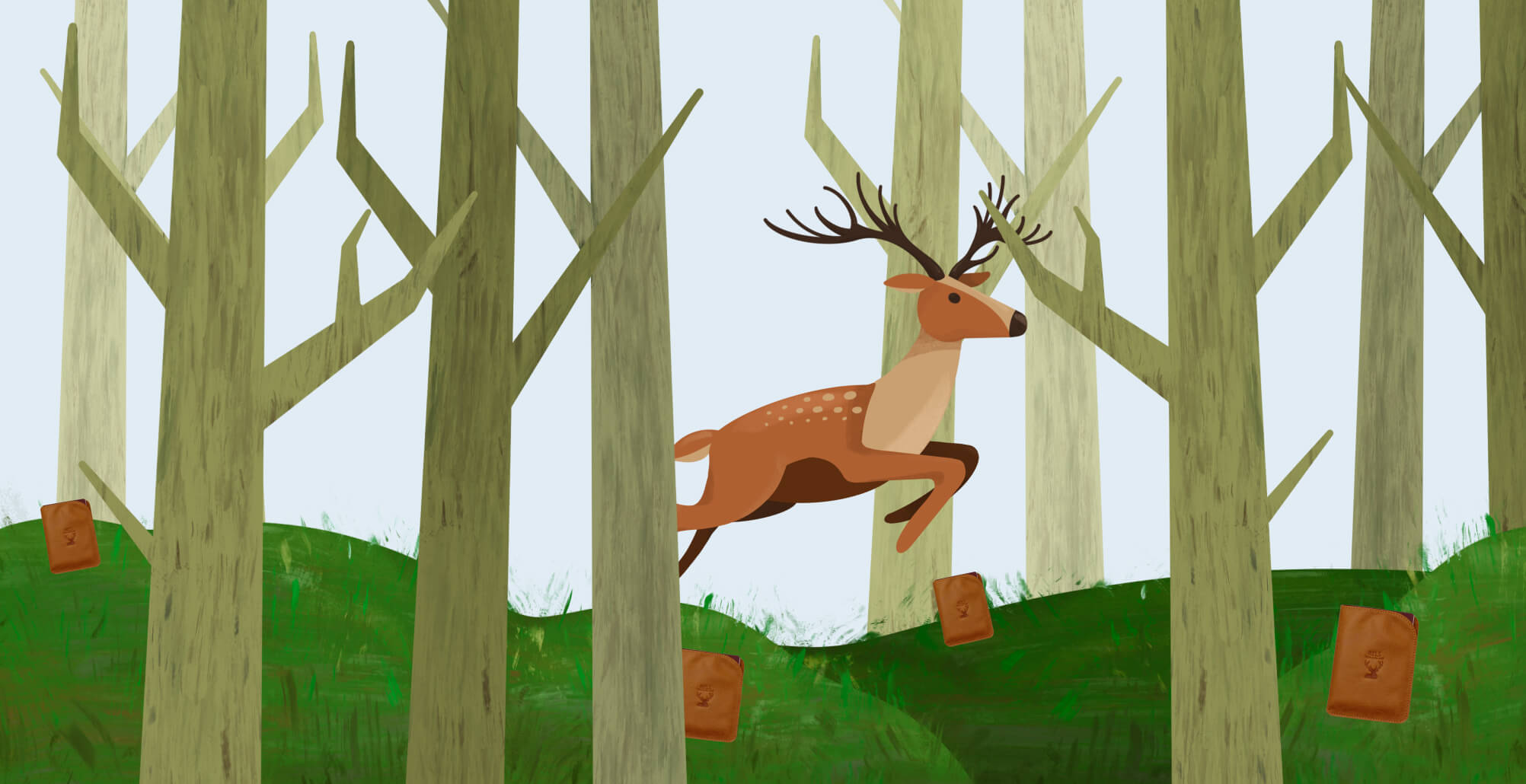
To make the homepage more engaging and better aligned with the brand, I introduced motion that helped bring more character to the experience and support brand discovery. None of RELS’ competitors offered a similar interaction-driven experience.
Early testing with customers showed that some animations created unnecessary friction and needed to be simplified or shortened. Refining them helped reduce confusion and made the next step in the experience feel clearer.
Both the interface and motion were designed with Tilda’s technical constraints in mind, since the site was built on that platform.
Catalog filtering
I added more detailed filtering so users could find products faster across 600+ items. Filters included:
  • category
  • price
  • color
  • availability
The catalog was built with CMS so the client could easily add new products and filters later on.
Product page
Many of RELS’ accessories were tied to specific document or item sizes - so customers needed a clear understanding of each product before purchasing.
It was also important to visualize both the product and its packaging, since these accessories were often bought as gifts.
The new product page helped users:
  • understand exact dimensions
  • see the product and packaging more clearly
  • explore available colors
  • review model-specific details such as zippers, transparent windows, card slots, and other features
Brand Strategy
In collaboration with the team, we worked on the brand direction to better define RELS’ positioning.
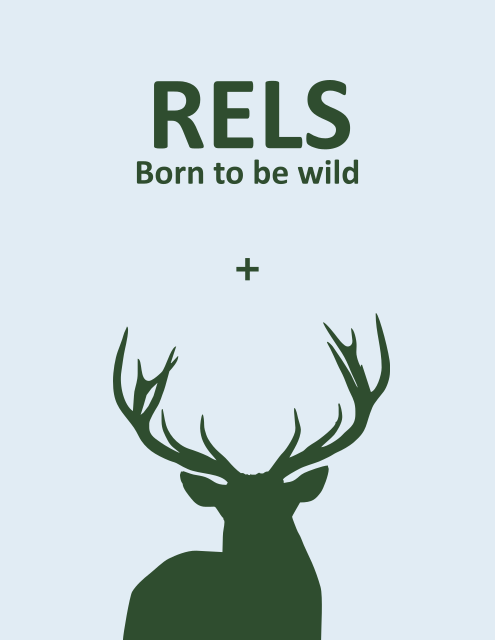
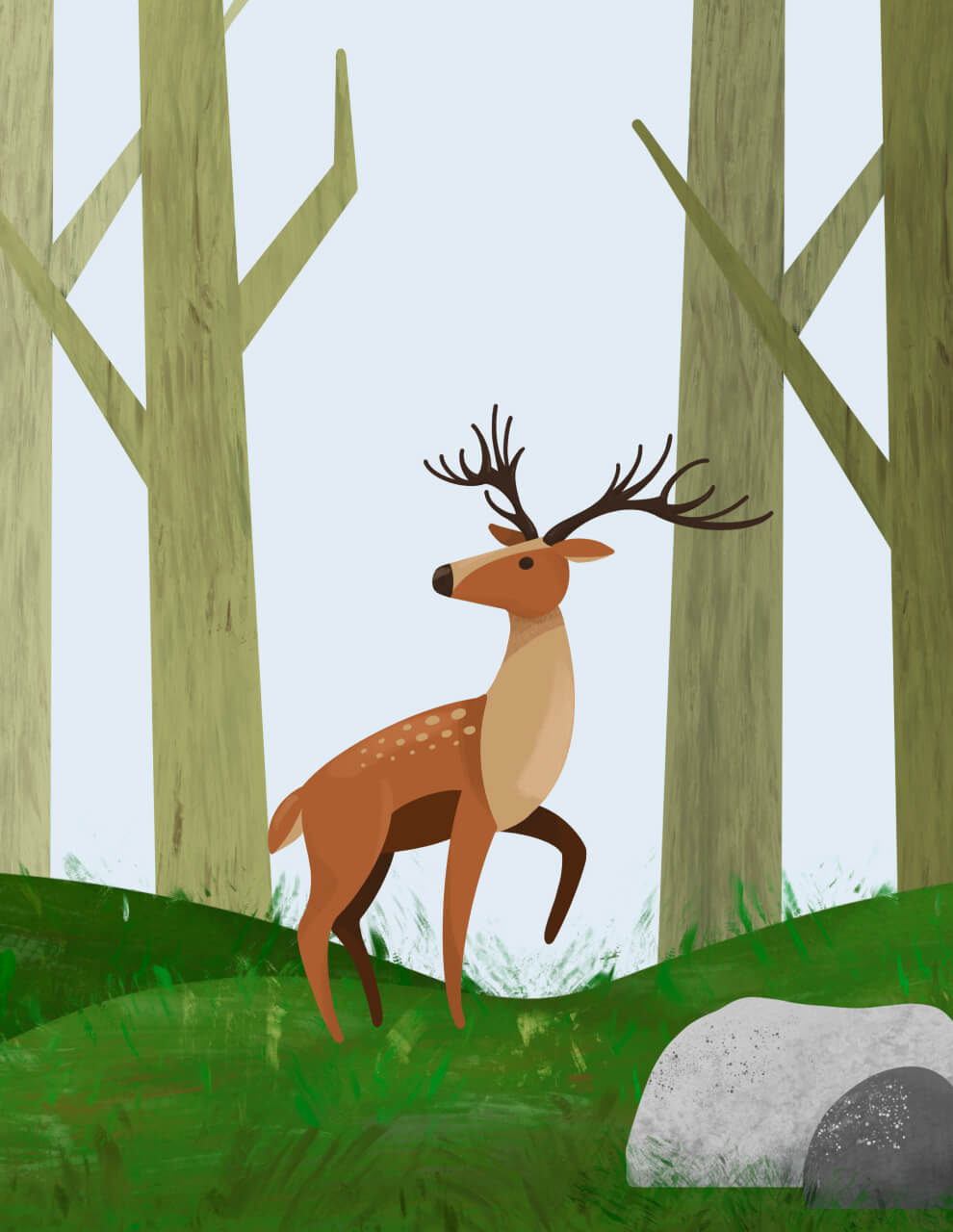
Why the “Deer” and “Born to be wild”?
The idea behind the brand was that leather goods, much like something natural, exist outside short-term trends. They are made to last for years, not for a season.
That logic shaped both parts of the identity: “Born to be wild” expressed the idea of timelessness beyond trends, while the deer and nature references reinforced durability, natural materials, and products made to stay with the customer over time.
result
The new brand identity and redesigned website, supported by restructured user flows, helped RELS expand into 3 new retail chains on the first attempt, grow to 32 stores, and increase website sales by 12% within the first two months.
Next Case